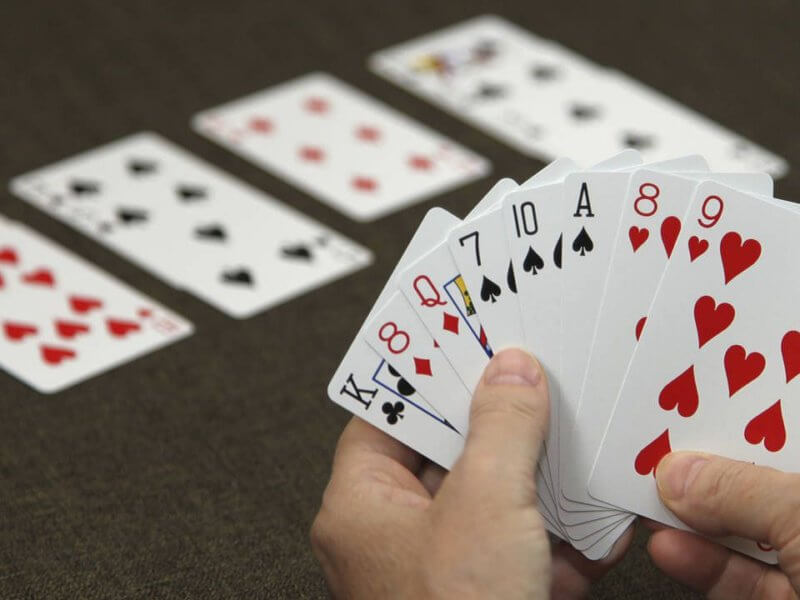
Card games are enjoyed by millions of people around the world, but what makes them heylink.me/bila2cuciofficial so addictive and enjoyable? The psychology behind playing card games is more than just the thrill of competition; it taps into deep-rooted human instincts and behaviors. In this article, we’ll explore the psychological factors that make card games so appealing and why we continue to love them.
Card games are enjoyed by millions of people around the world, but what makes them so addictive and enjoyable? The psychology behind playing card games is more than just the thrill of competition; it taps into deep-rooted human instincts and behaviors. In this article, we’ll explore the psychological factors that make card games so appealing and why we continue to love them.
The Social Aspect of Card Games
One of the main reasons people love playing card games is the social interaction they provide. Card games are often played with friends and family, creating bonds and opportunities for communication. The shared experience of winning or losing together strengthens relationships and creates lasting memories.
Building Connections: Card games bring people together, fostering cooperation, communication, and camaraderie. Whether it’s a competitive game of Poker or a more relaxed round of Rummy, playing cards allows for meaningful social interactions.
Team Play: Many card games, such as Euchre or Bridge, require players to work together as a team, which enhances social connection and trust between players.
The Thrill of Competition
Card games often involve a competitive element, which taps into our desire for challenge and victory. For many players, the thrill of competing against others creates a sense of excitement and accomplishment.
Cognitive Challenge: Many card games require strategy, memory, and quick thinking. These mental challenges stimulate the brain, keeping players engaged and interested.
Winning and Losing: The psychological impact of winning or losing a card game can be significant. Winning provides a sense of achievement, while losing can trigger a desire to improve and try again, driving players to master the game.
The Element of Luck
While many card games involve skill, luck also plays a significant role. The randomness of card distribution taps into our fascination with chance and unpredictability.
Hope and Anticipation: The unknown nature of card games, especially games like Poker or Blackjack, keeps players on the edge of their seats. The element of chance brings a sense of hope and anticipation as players await the next card.
Control vs. Luck: Balancing skill and luck in card games gives players a sense of control over their fate while acknowledging that some factors are outside their control.
Decision-Making and Risk-Taking
Card games often involve making decisions under pressure, whether it’s deciding to hit or stand in Blackjack or choosing to play aggressively in Poker. These decision-making moments can be both exciting and stressful, tapping into our risk-taking behaviors.
Risk and Reward: Many card games involve making strategic decisions with an element of risk, such as betting or bluffing in Poker. The potential for a big win or loss activates the brain’s reward system, making the experience thrilling.
Learning from Mistakes: The trial-and-error aspect of card games also encourages players to learn from their mistakes. Each round offers an opportunity to refine strategies and decision-making skills.
The Cognitive Benefits of Card Games
Card games also provide mental stimulation, offering cognitive benefits that improve focus, memory, and problem-solving skills. Regular play can help enhance concentration and improve decision-making abilities in other aspects of life.
Memory and Attention: Games like Solitaire and Bridge require players to remember cards and stay focused on their strategy, which helps improve short-term memory and attention.
Strategic Thinking: Many card games involve planning several steps ahead, which encourages players to think critically and strategically. This cognitive exercise can translate to better problem-solving skills in everyday life.
Conclusion
The psychology behind why we love playing card games is rooted in our need for social connection, mental stimulation, and the thrill of competition. Whether we’re bonding with friends, taking calculated risks, or testing our cognitive abilities, card games tap into fundamental human instincts and behaviors. This timeless appeal is why card games continue to be enjoyed by millions of people worldwide.
 Site Title